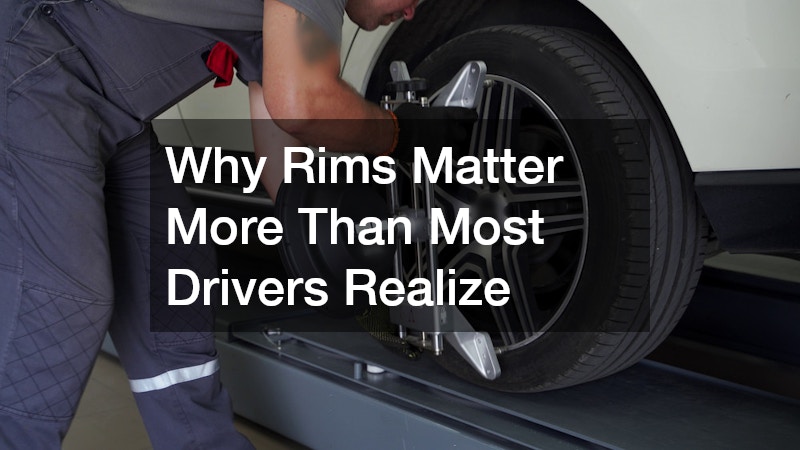

Most people don’t think twice about rims until something goes wrong or they decide it’s time for a change in appearance. But rims do far more than support a tire or add visual appeal. They play a direct role in handling, safety, ride comfort, and even fuel efficiency.
Understanding how they function can help drivers make smarter decisions when it comes to maintenance and upgrades.
The Role Rims Play in Everyday Driving
Rims form the structural base that holds the tire in place and connects it to the vehicle. Every turn, stop, and acceleration depends on that connection working properly. While they may seem like a simple component, rims are responsible for maintaining stability and ensuring the tire performs as intended.
A properly fitted set of rims helps distribute weight evenly and keeps the tire aligned. When rims are damaged or not suited to the vehicle, drivers may notice vibrations, uneven tire wear, or changes in steering response.
Materials That Influence Performance
Rims are typically made from either steel or alloy, and each type offers different advantages depending on how and where the vehicle is driven.
Steel rims are strong and durable, often used in standard setups because they handle rough conditions well. They are heavier, which can slightly reduce responsiveness but adds resilience against impact damage.
Alloy rims are lighter and often chosen for their performance and appearance. The reduced weight can improve acceleration and handling while also contributing to better fuel efficiency in some cases. Many drivers prefer alloy rims for their balance of function and style.
How Rim Size Changes the Driving Experience
Size is one of the most noticeable factors when it comes to rims. Larger rims often create a more responsive driving feel because they reduce tire sidewall height. This allows for sharper handling and improved cornering.
However, that same reduction in sidewall flexibility can lead to a firmer ride, especially on uneven roads. Smaller rims typically offer more cushioning, which improves comfort during daily driving but may slightly reduce sharpness in handling.
Choosing the right size is often about balancing comfort with performance based on driving habits and road conditions.
Safety and Structural Integrity
Rims are directly tied to safety because they hold the tire securely in place under pressure and motion. If a rim becomes bent, cracked, or corroded, it can affect how the tire sits and performs.
Damage often occurs from potholes, curbs, or road debris. Even minor bends can lead to slow air leaks or cause the vehicle to vibrate at higher speeds. In more severe cases, compromised rims can increase the risk of tire failure.
Regular inspection helps catch these issues early before they turn into larger problems. Maintaining rim integrity is an important part of overall vehicle safety.
Style and Personal Expression
Beyond performance, rims are one of the most visible ways to change a vehicle’s appearance. Different designs, finishes, and spoke patterns can completely alter the look and feel of a ride.
Some people prefer a clean, simple design, while others choose bold, detailed styles that stand out. Finishes like matte black, polished silver, or chrome add another layer of customization.
While appearance is a major factor, it often goes hand in hand with performance choices. Many modern rim designs are engineered to be both visually appealing and functional.
Maintenance That Keeps Rims in Shape
Rims are exposed to constant wear from road conditions, brake dust, and weather changes. Without regular care, buildup and corrosion can develop over time.
Simple maintenance steps include:
- Washing rims regularly to remove dirt and brake dust
- Checking for cracks or bends after impacts
- Avoiding harsh chemicals that damage finishes
- Monitoring tire pressure to reduce stress on rims
- Ensuring proper wheel alignment and balance
These habits help extend the lifespan of rims and keep them performing as intended.
When Rim Damage Starts to Affect Driving
Some rim issues are easy to ignore at first but become more noticeable over time. A slight vibration in the steering wheel, uneven tire wear, or a slow loss of air pressure can all point to rim damage.
Even if the tire looks fine, the rim underneath may be compromised. Driving on damaged rims can worsen the issue and potentially affect surrounding components. In many cases, early inspection prevents more expensive repairs later.
Choosing the Right Rims for Your Needs
Selecting rims involves more than just picking a design that looks good. Factors like size, weight, offset, and compatibility all matter. The wrong fit can affect handling, tire wear, and overall performance.
It’s important to match rims to the vehicle’s specifications to ensure safe and reliable operation. Professional guidance can help avoid issues that come from improper sizing or installation.
More Than Just a Visual Upgrade
Rims influence far more than appearance. They affect how a vehicle drives, how comfortable it feels on the road, and how safely it performs under different conditions.
When chosen and maintained correctly, rims support better handling, improved stability, and a more enjoyable driving experience overall.