

Key Takeaways
- Paying attention to dashboard warning lights helps identify mechanical issues before they become serious or expensive to repair.
- Regularly checking for fluid leaks, unusual noises, and changes in vehicle performance can prevent unexpected breakdowns.
- Maintaining proper tire pressure and inspecting tire condition improve safety, handling, and fuel efficiency.
- Monitoring the cooling system and braking performance helps protect critical components and ensures safer driving.
- Replacing worn belts, hoses, and other aging parts before they fail reduces the risk of major mechanical problems.
- Following a consistent maintenance schedule extends vehicle reliability and supports long-term performance.
- Developing good driving habits and addressing minor concerns early helps reduce wear and keeps your vehicle in better condition.
Owning a vehicle comes with the responsibility of keeping it in good working condition. While modern cars are built to be more reliable than ever, they still experience wear and tear over time. Small issues that seem harmless today can quickly become expensive repairs if they are ignored. Fortunately, many common car problems provide early warning signs that drivers can recognize before serious damage occurs.
Paying attention to unusual sounds, warning lights, leaks, vibrations, or changes in performance can help you identify problems early. Addressing these issues promptly often reduces repair costs, improves safety, and minimizes the risk of unexpected breakdowns.
The good news is that you do not need to be a professional mechanic to notice when something is wrong. By learning the most common warning signs and performing routine inspections, you can protect your investment and enjoy a more reliable vehicle. This guide explores common car problems you can catch early and explains what to do before they become much more serious.
Pay Attention to Dashboard Warning Lights
Modern vehicles are equipped with sensors that monitor important systems and alert drivers when something requires attention. While it can be tempting to ignore a warning light if the vehicle still seems to drive normally, these indicators are designed to identify problems before they become severe.
The check engine light is one of the most common warnings. It can signal anything from a loose gas cap to engine or emissions problems. Other important lights include the battery warning light, oil pressure warning, coolant temperature light, brake system warning, and tire pressure monitoring system.
Ignoring dashboard warnings can allow relatively minor issues to develop into costly repairs. Even if the problem turns out to be simple, having it inspected early helps prevent unnecessary damage.
When a warning light appears, consult your owner’s manual and schedule an inspection if the light remains on.
Dashboard warning lights to never ignore:
- Check engine light
- Oil pressure warning
- Battery warning light
- Brake system warning
- Coolant temperature warning
- Tire pressure warning
Watch for Fluid Leaks Under Your Vehicle
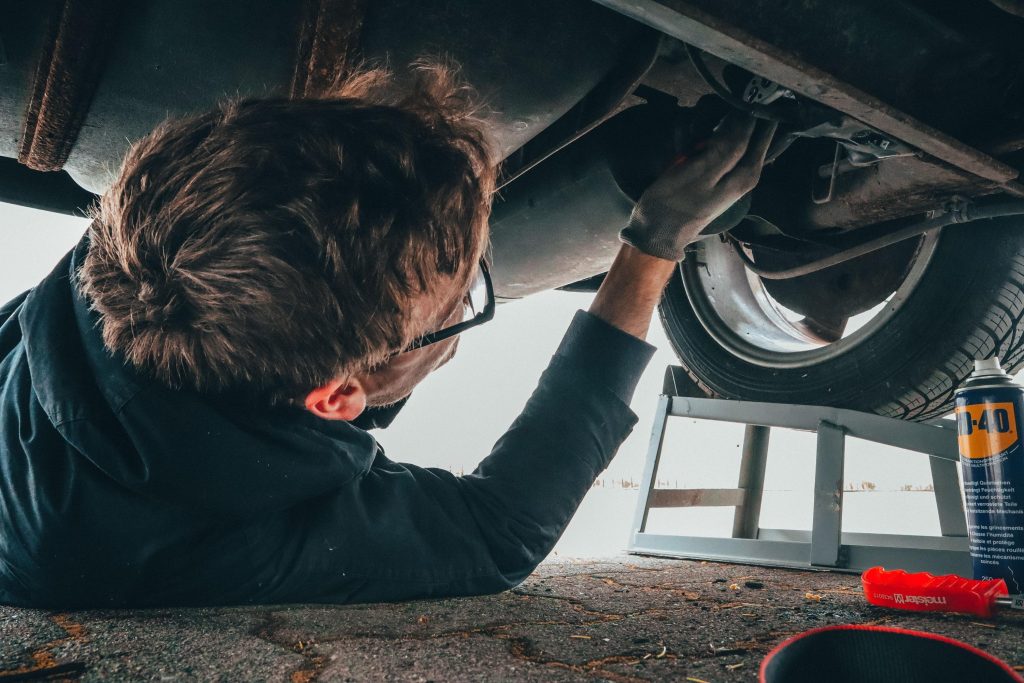
Finding liquid beneath your parked vehicle should never be ignored. While some condensation from the air conditioning system is completely normal, other leaks may indicate developing mechanical problems.
Engine oil typically appears brown or black, while coolant is often green, orange, or pink. Transmission fluid usually has a reddish color, and brake fluid ranges from clear to light brown. Identifying the type of fluid can help determine the seriousness of the problem.
Small leaks may seem harmless at first, but they often become larger over time. Low fluid levels can damage important components and reduce the vehicle’s performance or safety.
Checking beneath your vehicle regularly allows you to spot leaks before they lead to major repairs.
Common vehicle fluids to monitor:
- Engine oil
- Coolant
- Transmission fluid
- Brake fluid
- Power steering fluid
- Windshield washer fluid
Listen for Unusual Sounds
Vehicles communicate many problems through sound long before complete failure occurs. New or unusual noises should always receive attention, even if they seem minor.
Squealing brakes may indicate worn brake pads, while grinding sounds could suggest more serious brake damage. Clicking noises during turns may point to worn CV joints, and knocking sounds from the engine can indicate internal mechanical issues.
A whining noise under the hood could come from a worn belt or pulley. Rattles, clunks, or vibrations while driving may signal suspension or steering problems.
Learning what your vehicle normally sounds like makes it easier to recognize when something changes.
Sounds that deserve attention:
- Brake squealing
- Engine knocking
- Clicking while turning
- Belt squealing
- Suspension clunking
- Grinding noises
Monitor Tire Condition and Pressure
Tires affect nearly every aspect of vehicle performance, including braking, handling, fuel efficiency, and ride comfort. Fortunately, they are also among the easiest components to inspect.
Check tire pressure at least once a month using a reliable pressure gauge. Underinflated tires wear more quickly, reduce fuel economy, and increase the risk of blowouts. Overinflated tires can also affect handling and cause uneven wear.
Inspect tire tread for excessive wear, cracks, bulges, or embedded objects. Uneven tread wear may indicate alignment or suspension problems that should be corrected promptly.
Rotating tires according to the manufacturer’s recommendations also helps extend their lifespan and improve overall vehicle performance.
Regular tire maintenance includes:
- Check tire pressure monthly
- Inspect tread depth
- Rotate tires regularly
- Watch for uneven wear
- Remove embedded debris
Keep an Eye on Engine Temperature
Your engine produces a tremendous amount of heat during operation, making the cooling system essential for preventing overheating. Monitoring the temperature gauge while driving can help identify cooling system problems before they become severe.
If the temperature gauge begins climbing higher than normal, safely pull over as soon as possible. Continuing to drive an overheating vehicle can cause extensive engine damage that is often expensive to repair.
Low coolant levels, leaking hoses, a failing water pump, clogged radiators, or malfunctioning thermostats can all contribute to overheating. Regular inspections of the cooling system help prevent these issues.
Maintaining proper coolant levels is one of the simplest ways to protect your engine.
Cooling system checks include:
- Monitor temperature gauge
- Check coolant levels
- Inspect radiator hoses
- Look for coolant leaks
- Replace coolant as recommended
Notice Changes in Braking Performance
Your braking system is one of the most important safety features on your vehicle. Any change in braking performance deserves immediate attention.
If the brake pedal feels soft, the vehicle pulls to one side, or braking distances increase, schedule an inspection promptly. Vibrations while braking may indicate warped brake rotors, while grinding sounds often suggest severely worn brake pads.
Brake fluid should also be checked periodically because low levels may indicate leaks or worn brake components.
Routine brake inspections help ensure safe stopping performance while reducing the likelihood of more expensive repairs later.
Brake warning signs include:
- Soft brake pedal
- Grinding sounds
- Squealing brakes
- Vehicle pulling during braking
- Brake warning light
- Brake vibration
Replace Worn Belts and Hoses Before They Fail
Belts and hoses perform essential functions throughout the vehicle, yet they often receive little attention until something goes wrong. Over time, rubber components naturally wear out due to heat, age, and constant use.
Inspect belts for cracks, fraying, or glazing. Hoses should remain flexible without swelling, leaks, or visible deterioration. Replacing these parts before failure helps prevent unexpected breakdowns.
A broken serpentine belt can disable multiple vehicle systems, while a failed radiator hose may quickly lead to overheating.
Routine inspections make it easier to replace inexpensive components before they create larger problems.
Inspect these rubber components regularly:
- Serpentine belts
- Radiator hoses
- Heater hoses
- Vacuum hoses
- Accessory drive belts
Stay Current With Routine Maintenance
Routine maintenance remains one of the most effective ways to avoid mechanical problems. Following the manufacturer’s recommended maintenance schedule helps keep every major system operating properly.
Oil changes, air filter replacements, fluid inspections, spark plug replacement, and transmission service all contribute to long-term reliability. Skipping maintenance may save money today but often results in larger repair bills later.
Understanding how to make your car last longer begins with consistency. Completing maintenance on time reduces wear, improves fuel efficiency, and helps major components reach their expected lifespan.
Keeping maintenance records also makes it easier to monitor your vehicle’s condition and may improve resale value.
Routine maintenance tasks include:
- Change engine oil
- Replace air filters
- Inspect fluids
- Rotate tires
- Replace spark plugs
- Follow service intervals
Address Small Problems Before They Become Expensive
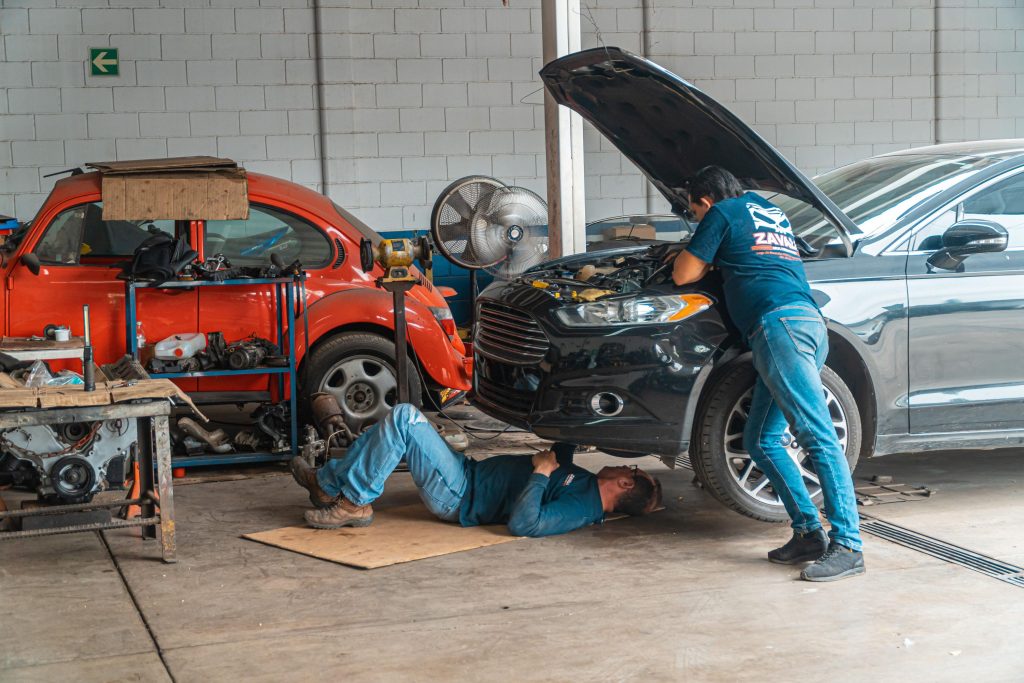
Many major automotive repairs begin as relatively minor issues. A small coolant leak may eventually cause engine overheating. Slight brake wear can become rotor damage. A weak battery may eventually leave you stranded.
Responding quickly to early warning signs is one of the most effective strategies for preventing costly car repairs. Prompt inspections allow mechanics to identify problems before additional components become damaged.
Delaying repairs often increases labor costs and replacement parts because multiple systems may eventually be affected. Taking action early usually saves both time and money.
Preventive maintenance is almost always less expensive than emergency repairs.
Minor problems worth addressing quickly:
- Small leaks
- Strange noises
- Warning lights
- Tire wear
- Weak battery
- Minor vibrations
Develop Good Driving Habits
The way you drive has a significant influence on your vehicle’s lifespan. Aggressive acceleration, hard braking, excessive speeding, and carrying unnecessary weight all increase wear on important components.
Driving smoothly reduces stress on the engine, transmission, brakes, and suspension. Allowing the engine to warm briefly during cold weather and avoiding potholes whenever possible also helps minimize wear.
Regularly washing your vehicle removes road salt, dirt, and debris that contribute to rust. Keeping both the exterior and interior clean helps preserve the vehicle’s appearance and long-term value.
Good driving habits complement routine maintenance and help extend the life of your vehicle.
Habits that reduce vehicle wear:
- Accelerate smoothly
- Brake gradually
- Avoid potholes
- Remove unnecessary cargo
- Wash the vehicle regularly
Final Thoughts
Most major automotive problems do not happen without warning. In many cases, vehicles provide early signs that something needs attention long before a complete breakdown occurs. By paying attention to warning lights, fluid leaks, unusual sounds, tire condition, engine temperature, and braking performance, drivers can identify problems while they are still relatively simple to repair.
Routine maintenance remains the foundation of reliable vehicle ownership. Following recommended service schedules, replacing worn components, and addressing small concerns promptly all contribute to safer driving and lower long-term ownership costs.
A few minutes spent inspecting your vehicle each month can prevent unexpected breakdowns, improve performance, and protect your investment for years to come. Staying proactive instead of reactive is one of the best ways to keep your vehicle dependable and enjoyable to drive.