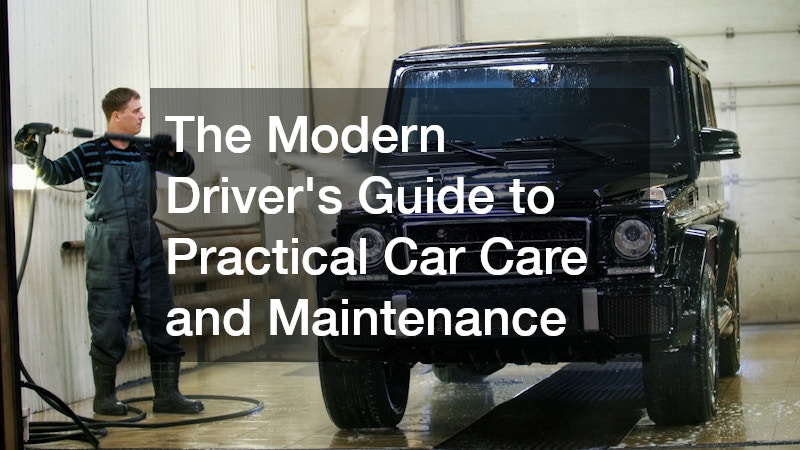

Owning a car comes with great freedom but also significant responsibility. Beyond the joy of driving, maintaining a vehicle requires careful attention to routine maintenance, timely repairs, and preventive measures that extend its life. Many drivers underestimate the importance of regular upkeep, only realizing the value of proper care after facing costly repairs or unexpected breakdowns.
For modern drivers, practical car care is not just about keeping the vehicle running; it is about safety, reliability, and maximizing long-term value. This guide will walk you through the essential practices every driver should know—from routine maintenance and brake checks to handling auto repairs and sourcing parts. By following these strategies, you can ensure your car remains dependable and safe for years to come.
Understanding Routine Car Maintenance
Routine maintenance is the foundation of responsible car ownership. Regular checkups prevent minor issues from escalating into major problems, save money in the long run, and keep your vehicle running efficiently.
Key aspects of routine maintenance include:
-
Oil Changes and Fluid Checks: Regular oil changes prevent engine wear and maintain smooth operation. Additionally, checking transmission fluid, brake fluid, and coolant levels ensures your car runs optimally. Neglecting these fluids can lead to expensive local transmission repair or engine problems.
-
Tire Care: Rotating tires, checking tread depth, and maintaining correct tire pressure improve handling, extend tire life, and enhance safety. Uneven wear can signal alignment or suspension issues, which may require professional attention.
-
Battery Health: A failing battery can leave you stranded unexpectedly. Routine inspection and cleaning of terminals help avoid sudden breakdowns. Investing in a quality battery ensures reliability.
-
Regular Inspections at an Auto Body Shop: Visiting a trusted auto body shop for periodic inspections can help identify structural issues, rust, or minor damage before they worsen. Even small dents or scratches can develop into significant problems if ignored.
-
Seasonal Car Care: Heat, cold, and seasonal conditions can impact your vehicle’s performance. For instance, local car AC repair is crucial before the summer months to ensure your cabin remains cool and safe.
By adhering to a consistent maintenance schedule, drivers minimize unexpected issues, maintain optimal performance, and preserve the value of their vehicle.
Handling Common Repairs and Breakdowns

Despite regular maintenance, cars inevitably experience issues that require professional repairs. Understanding common problems and how to address them quickly can save time, money, and stress.
Common vehicle issues include:
-
Transmission Problems: Transmission failure is among the most expensive repairs. Signs include difficulty shifting gears, unusual noises, or fluid leaks. Professional local transmission repair is essential for long-term reliability. Attempting DIY fixes can exacerbate the problem.
-
Brake Issues: Worn brake pads or failing systems can be dangerous. Early detection and professional service help avoid accidents and additional repair costs.
-
Engine Malfunctions: Overheating, knocking sounds, or warning lights often indicate engine issues. Timely attention from a certified mechanic is crucial.
-
Electrical Problems: Modern cars rely heavily on electronics. Battery issues, malfunctioning lights, or sensor failures require skilled auto repair services to prevent further complications.
Practical tips for drivers:
-
Keep emergency numbers, including towing services, handy in case of breakdowns.
-
Learn to recognize early warning signs of car issues to avoid being stranded.
-
Schedule repairs promptly to prevent minor issues from escalating into costly fixes.
Breakdowns are inconvenient, but understanding common problems and maintaining relationships with trusted repair professionals reduces risk and improves overall vehicle reliability.
Maintaining Brakes and Safety Systems
Safety is a critical component of car maintenance. Among all vehicle systems, brakes and security measures are non-negotiable elements that demand regular attention.
Brake Maintenance:
-
Regular inspections ensure pads, rotors, and calipers are functioning properly.
-
Signs of wear include squealing, vibrations, or longer stopping distances.
-
Scheduling auto brake service at the recommended intervals prevents accidents and costly repairs.
Auto Security:
-
Installing a modern auto security system protects your vehicle from theft and vandalism.
-
Features such as GPS tracking, remote alerts, and immobilizers add an extra layer of safety.
-
Combining security upgrades with routine maintenance ensures your car remains both safe and operational.
Neglecting brakes or security can compromise driver and passenger safety. Proactive attention ensures peace of mind on every journey.
Car Exterior Care and Glass Maintenance
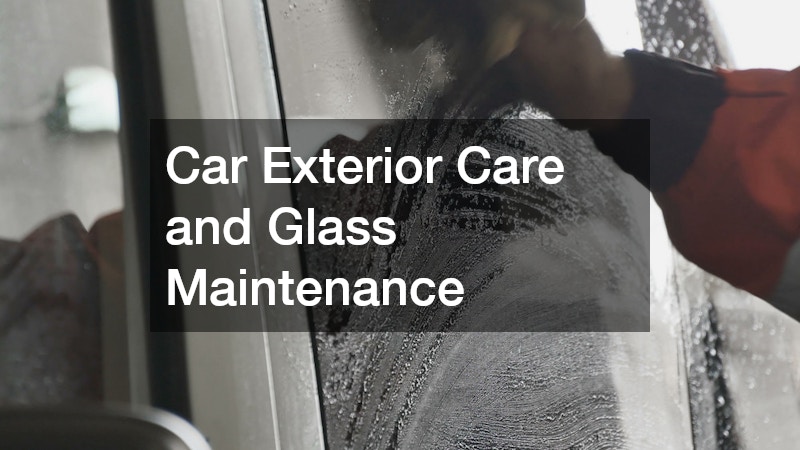
The exterior of your car is exposed to daily wear, environmental damage, and potential accidents. Maintaining it requires a combination of professional services and preventive measures.
Auto Body Care:
-
Regular visits to an auto body shop help repair dents, scratches, and rust before they worsen.
-
Using used auto body parts can be a cost-effective alternative for minor repairs without sacrificing quality.
-
Professional paint touch-ups protect against corrosion and keep your car looking its best.
Glass Maintenance:
-
Cracked or chipped windshields compromise safety. Professional auto glass replacement ensures proper visibility and structural integrity.
-
Small chips can sometimes be repaired, but larger damage requires complete replacement.
-
Protective coatings and careful cleaning prolong the lifespan of glass surfaces.
Tips for Exterior Longevity:
-
Wash your car regularly to remove dirt and salt buildup.
-
Park in shaded areas to prevent UV damage to paint and interior.
-
Apply wax periodically to protect the finish and prevent minor scratches.
Exterior maintenance not only enhances aesthetics but also preserves resale value and overall safety.
Managing Car Interior Comfort

A well-maintained interior contributes to comfort, convenience, and long-term value. Drivers often overlook interior systems, but they are essential for a pleasant driving experience.
Air Conditioning and Climate Control:
-
Routine local car AC repair ensures your cabin stays comfortable during extreme temperatures.
-
Filter replacement and refrigerant checks improve efficiency and air quality.
Electronics and Infotainment:
-
Check infotainment systems, dashboard lights, and charging ports for proper function.
-
Clean upholstery, carpets, and vents regularly to maintain hygiene.
Interior Longevity Tips:
-
Use protective mats and seat covers to prevent wear and stains.
-
Avoid harsh chemicals that can damage surfaces.
-
Address minor issues promptly, such as loose trim or faulty electronics, to prevent bigger problems.
A clean, functional interior enhances your driving experience and maintains your vehicle’s overall value.
Car Parts and DIY Upkeep
Modern cars require a variety of parts and components that need occasional replacement or upgrades. Knowing when to DIY and when to seek professional help is key.
Sourcing Reliable Parts:
-
Quality car parts are essential for performance and safety.
-
Always verify compatibility and manufacturer specifications before installation.
DIY Maintenance Tips:
-
Simple tasks like replacing wiper blades, air filters, or batteries can be done at home.
-
Minor cosmetic repairs, such as replacing light bulbs or fuses, are manageable for most drivers.
Professional Service Necessities:
-
Critical systems like brakes, transmission, and engine components require professional expertise.
-
Avoid cutting corners with essential repairs, as this may result in auto repair or safety hazards later.
A balance of DIY care and professional service helps maintain performance, safety, and cost-effectiveness.
Choosing the Right Service Providers

Selecting the right professionals is as important as performing maintenance itself. A reliable network of service providers ensures quality work and peace of mind.
Factors to Consider:
-
Experience and Certification: Choose certified mechanics and reputable auto body shops.
-
Reviews and Recommendations: Seek feedback from friends, family, or online sources.
-
Service Range: Look for shops that offer comprehensive services, including local transmission repair, auto glass replacement, and towing services.
-
Warranty and Guarantees: Reliable providers offer warranties on parts and labor, giving confidence in the repairs.
Building a Trusted Network:
-
Maintain a list of go-to service providers for emergency and scheduled maintenance.
-
Keep contact information for towing services handy in case of breakdowns.
-
Compare costs and services periodically to ensure value without sacrificing quality.
Trustworthy providers simplify maintenance, reduce stress, and ensure professional care whenever it’s needed.
Planning Long-Term Car Maintenance
Long-term planning is critical for modern drivers who want their cars to remain reliable for years. Proactive scheduling reduces the likelihood of emergencies and costly repairs.
Key Steps:
-
Create a Maintenance Calendar: Include oil changes, tire rotations, AC checkups, brake inspections, and seasonal checks.
-
Budget for Repairs: Allocate funds for routine maintenance, replacement parts, and unexpected issues.
-
Preventive Measures: Schedule auto brake service, local car AC repair, and other preventive services before problems arise.
-
Track Vehicle History: Keep detailed records of repairs, parts replacements, and service visits for better resale value.
By thinking ahead, drivers can extend their vehicle’s life, ensure safety, and reduce the overall cost of ownership.
Preparing Your Car for Road Trips and Long Drives
Long drives require more than just fuel; proper preparation ensures safety and comfort. Before a road trip, check your tire pressure, fluid levels, brakes, and lights. Make sure your auto brake service is up-to-date to avoid emergency stops on the highway. Inspect your auto glass replacement needs—chips or cracks can worsen under long-distance stress. Carry a small toolkit, spare tire, and emergency kit, and know the nearest towing services in case of unexpected breakdowns.
Additionally, verify your local car AC repair is functioning, especially during hot summer travel. Planning ahead keeps trips safe, prevents costly repairs, and reduces stress on both the driver and vehicle.
Tips for Extending the Life of Your Car Battery
A car battery is essential for starting your vehicle and powering electrical components. To prolong battery life, check connections for corrosion, clean terminals, and ensure proper fluid levels if applicable. Avoid leaving lights or electronics on when the car is off. Regularly running the engine helps maintain charge, especially for vehicles used infrequently.
Using certified car parts for battery replacements ensures compatibility and safety. If the battery shows signs of weakness, replacing it before it dies prevents being stranded. Routine inspections during scheduled maintenance or visits to an auto repair shop can detect issues early, saving both time and money in the long term.
Protecting Your Vehicle from Environmental Damage
Weather and environmental factors significantly impact vehicle longevity. Rain, snow, and sun can damage paint, glass, and interior materials. Parking in shaded or covered areas reduces UV damage and prevents fading. Regular washing and waxing protect the exterior, while professional services at an auto body shop repair minor scratches and prevent rust.
Windshield chips should be assessed promptly; sometimes, auto glass replacement is necessary to maintain safety and visibility. Road salt during winter can corrode metal parts—routine inspections and undercarriage washes help prevent damage. Using floor mats and protective covers shields the interior from moisture, dirt, and debris. Preventive care keeps your car looking new, maintains resale value, and reduces repair expenses over time.
The Importance of Upgrading Car Safety Features
Modern cars offer numerous safety features, but older vehicles may benefit from upgrades. Installing an auto security system protects against theft and adds value. Advanced alarm systems with GPS tracking, immobilizers, and smartphone integration increase convenience and peace of mind. Consider upgrading headlights, brake lights, or adding backup cameras for improved visibility.
Regular auto brake service ensures these critical systems function optimally, protecting both passengers and other drivers. Even small improvements, such as reflective tape or tire pressure monitoring, enhance road safety. Prioritizing safety upgrades alongside routine maintenance demonstrates responsible ownership and reduces the likelihood of accidents, insurance claims, and costly repairs.
Cost-Effective Strategies for Car Maintenance
Car care can be expensive if not managed wisely. Start by comparing quotes for local transmission repair, auto repair, or auto body shop services. Using used auto body parts for minor repairs can cut costs without compromising quality. DIY maintenance for non-critical tasks like replacing wiper blades, air filters, or light bulbs reduces labor expenses. Schedule preventive services regularly to avoid expensive emergency repairs later. Keep a maintenance log to track service history, helping plan budgets effectively.
When selecting parts, prioritize durability and compatibility to avoid repeat purchases. Consider joining loyalty programs at trusted service providers or negotiating bundled services for long-term savings. Smart planning, proactive maintenance, and strategic use of professional services maximize your vehicle’s lifespan while minimizing costs.
Conclusion
Practical car care and maintenance are essential for every modern driver. From routine inspections and preventive measures to handling repairs and sourcing reliable parts, maintaining your vehicle requires a combination of knowledge, planning, and trusted service providers.
Regular attention to systems like brakes, air conditioning, transmission, and safety features ensures your car remains safe, reliable, and valuable. Investing in professional services, such as auto repair, auto body shops, and local transmission repair, alongside using quality car parts or used auto body parts, safeguards your vehicle from unexpected issues. Additionally, timely auto glass replacement, brake service, and the use of a robust auto security system enhance both safety and peace of mind.
Modern drivers who embrace proactive maintenance enjoy smoother rides, reduced repair costs, and longer-lasting vehicles. By following this comprehensive guide, you can take control of your car’s health, keep it performing optimally, and ensure every journey is safe and stress-free.
Remember: car care is not a one-time task—it’s a commitment that pays off with reliability, safety, and enjoyment every time you drive.