
Keeping your vehicle in peak condition is essential for safety, performance, and long-term value. Well-maintained vehicles run smoothly, are more fuel-efficient, and help avoid costly breakdowns. However, many car owners struggle to keep track of maintenance requirements, repair needs, and preventive care. Understanding how to address small issues before they escalate, choosing the right service providers, and staying proactive in vehicle care can make all the difference.
This guide provides actionable tips for maintaining cars and trucks, covering routine maintenance, repairs, accident response, diesel engine care, wheel alignment, detailing, and more. By applying these strategies, drivers can enhance vehicle performance, extend lifespan, and ensure safety on the road.
Performing Regular Auto Repairs and Maintenance
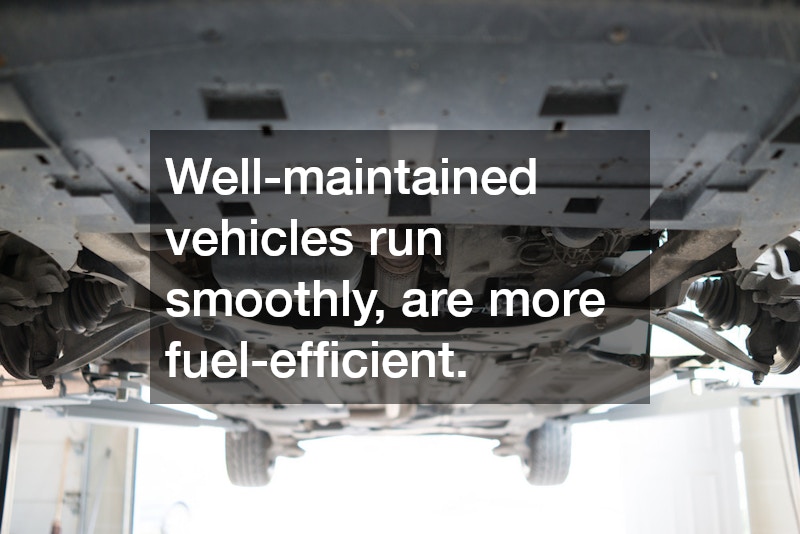
Routine auto repair and maintenance are critical to vehicle longevity. Ignoring small problems often leads to expensive repairs or serious safety risks. Diesel vehicles, in particular, require specialized attention due to their complex engine systems and heavier operational demands. Even minor neglect can lead to decreased performance, higher fuel consumption, and costly repairs that could have been avoided with timely intervention.
Scheduling Routine Maintenance
-
Follow the manufacturer’s recommended intervals for oil changes, transmission checks, and system inspections.
-
Include tire rotations, brake inspections, and fluid checks in your maintenance schedule.
-
Maintain a detailed service log to track past repairs and upcoming needs.
-
Consider seasonal inspections to address weather-specific challenges, such as checking coolant levels before summer heat or winter freezes.
-
Don’t overlook less obvious systems, including suspension, exhaust, and electrical components, which can significantly impact overall vehicle reliability.
Choosing the Right Auto Repair Shop
-
Select certified mechanics with experience in your vehicle type.
-
For diesel engines, rely on trusted diesel shops familiar with heavy-duty engine components.
-
Verify warranties on parts and repairs, and ask about OEM (original equipment manufacturer) parts for quality assurance.
-
Ask for references or read online reviews to ensure the shop has a track record of consistent, reliable service.
-
Develop a relationship with your preferred shop; familiarity with your vehicle’s history allows them to diagnose issues faster and more accurately.
Checking Fluids and Engine Components
-
Regularly inspect oil, brake fluid, transmission fluid, and coolant.
-
Monitor belts, hoses, and battery connections for wear and tear.
-
Ensure fuel and air filters are clean to maintain optimal engine performance.
-
Keep an eye on fluid color and consistency—dirty or contaminated fluids can indicate underlying problems.
-
Use manufacturer-recommended fluids and lubricants to avoid damage and ensure optimal performance.
Recognizing Warning Signs
-
Listen for unusual engine noises, rattles, or vibrations.
-
Check for leaks or smoke from the exhaust system.
-
Pay attention to dashboard alerts or sudden changes in fuel efficiency.
-
Notice changes in acceleration, braking, or handling, which may indicate underlying mechanical issues.
-
Trust your instincts—if something feels off, have your vehicle inspected promptly rather than waiting for a breakdown.
By scheduling routine auto repair and working with professional diesel shops, you can prevent major issues, improve efficiency, and maintain a reliable vehicle. Consistent attention to maintenance protects your investment, keeps your vehicle safe, and ensures optimal performance over the long term. A proactive approach not only avoids costly repairs but also extends the life of your engine, transmission, and other critical systems, making every drive smoother and more dependable.
Maintaining Clear and Safe Windows
Your vehicle’s windows and windshield play a critical role in safety, visibility, and structural integrity. Damaged glass can increase accident risks and compromise the effectiveness of airbags, while reducing overall driving confidence. Regular attention to window and windshield condition not only enhances safety but also helps maintain your vehicle’s resale value.
Inspecting Windows Regularly
-
Examine windshields for cracks, chips, or deep scratches. Even small chips can expand over time due to temperature changes or road vibrations.
-
Inspect side and rear windows for signs of wear, leaks, or fogging that could indicate seal failure or moisture intrusion.
-
Check window seals for potential moisture infiltration, which can lead to interior damage or mold growth.
-
Keep an eye out for minor imperfections in laminated glass, which could compromise structural integrity over time.
-
Inspect windows after storms, hail, or debris impact to catch early damage before it worsens.
Repair vs. Replacement
-
Small chips or cracks can often be repaired if addressed promptly, usually within the first few days after damage occurs.
-
Large or multiple cracks require professional auto glass replacements to restore structural integrity.
-
Timely repairs prevent damage from spreading, reducing long-term costs and maintaining optimal visibility.
-
Seek professional assessment if unsure; even seemingly minor cracks can compromise safety if located in critical areas, such as the driver’s line of sight or near windshield-mounted sensors.
Using Quality Materials
-
Use OEM or high-quality replacement glass for durability, proper fit, and adherence to manufacturer specifications.
-
Ensure adhesives and installation meet safety standards, including proper curing times to prevent leaks or loosening.
-
Professionals trained in auto glass replacements can prevent leaks, distortion, and structural issues that may arise from poor installation.
-
Consider materials that offer UV protection and enhanced shatter resistance, particularly for vehicles exposed to intense sunlight or extreme weather.
Preventing Future Damage
-
Avoid parking under trees, near construction zones, or in areas prone to falling debris.
-
Maintain safe distances from trucks or vehicles that may kick up gravel or road debris.
-
Consider protective films or coatings to minimize minor scratches, chips, and UV damage.
-
Regularly clean windows with appropriate glass cleaners to prevent micro-abrasions and maintain clarity.
-
Educate passengers on gentle operation of power windows to prevent stress fractures or seal damage.
Maintaining safe and clear glass ensures visibility, protects passengers, preserves vehicle value, and reinforces your overall auto safety strategy. Regular inspection, prompt repairs, and working with trusted professionals for auto glass replacements allow you to drive with confidence while extending the lifespan of your vehicle’s critical safety components.
Responding to Accidents Quickly and Effectively
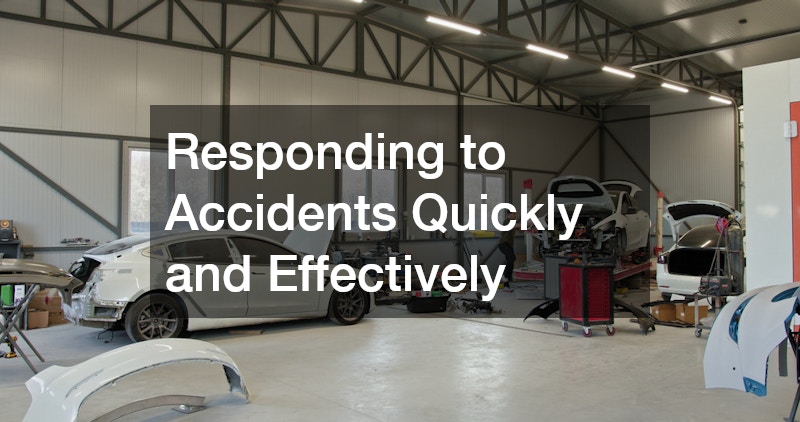
Even the safest drivers can encounter accidents. Knowing how to respond quickly and correctly with a car accident attorney protects legal rights, reduces repair complications, and ensures proper insurance processing. Being prepared in advance with a clear plan can make the aftermath less stressful and help you handle the situation efficiently.
Documenting the Accident
-
Take clear photos of all vehicles, damage, and the surrounding scene from multiple angles.
-
Record road conditions, traffic signals, skid marks, and any relevant signage that could clarify fault.
-
Note the time, date, and weather conditions, as these can affect insurance claims and legal assessments.
-
Collect contact information from all drivers and witnesses, including phone numbers and addresses.
-
Keep a written record of events immediately after the accident while details are fresh in your memory.
Seeking Legal Advice
-
Consult an auto accident attorney or car accident attorney for disputes, injuries, or complex insurance issues.
-
Attorneys can provide guidance on liability, claim filing, and potential settlements, ensuring your rights are protected.
-
A prompt legal consultation can prevent rushed decisions, overlooked evidence, or unfair settlements.
-
In cases involving injuries, property damage, or disputed fault, having legal guidance early is critical to preserving documentation and maximizing compensation.
Working with Insurance Providers
-
Notify your insurance company immediately, even if damages seem minor.
-
Submit complete and accurate documentation, including photos, witness statements, and police reports.
-
Ask questions to understand coverage limits, deductibles, and potential out-of-pocket costs.
-
Keep a detailed log of all communications with insurance adjusters for future reference.
Prioritizing Safety After an Accident
-
Seek medical attention, even for minor injuries, as symptoms may appear later.
-
Follow treatment plans, which may include care from a local auto accident chiropractor to prevent long-term complications.
-
Avoid making statements about fault at the scene; let authorities and legal professionals handle liability assessments.
-
Secure your vehicle in a safe location to prevent further damage or hazards.
Prompt, informed responses after an accident protect both your vehicle investment and personal well-being. By documenting the scene thoroughly, seeking legal guidance, communicating clearly with insurance providers, and prioritizing health, you can navigate the aftermath with confidence and reduce the risk of prolonged disputes or unexpected costs.
Ensuring Proper Wheel Alignment
Wheel alignment is often overlooked but is critical to vehicle handling, tire longevity, and fuel efficiency. Misaligned wheels cause uneven tire wear, steering issues, and potential safety hazards.
Recognizing Alignment Issues
-
Vehicle pulling to one side while driving.
-
Uneven or accelerated tire wear.
-
Steering wheel vibration or off-center position.
Performing Regular Checks
-
Have alignment checked annually or after hitting potholes or curbs.
-
Include wheel balance inspections to prevent vibrations.
-
Ensure tires are properly inflated to manufacturer specifications.
Choosing Professionals
-
Opt for shops with specialized alignment equipment.
-
Technicians can adjust camber, caster, and toe angles accurately.
-
Proper wheel alignment enhances handling, improves fuel economy, and extends tire life.
Maintaining proper alignment ensures safety, improves ride comfort, and reduces long-term repair costs.
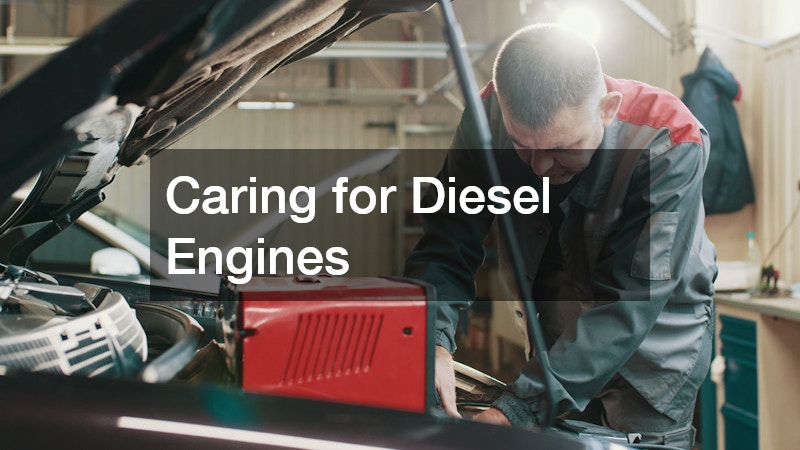
Caring for Diesel Engines
Diesel engines are powerful but require precise maintenance to operate efficiently. Neglecting care can lead to costly repairs and reduced engine performance.
Routine Diesel Maintenance
-
Monitor fuel filters, turbochargers, and injector systems.
-
Regularly check oil levels and quality.
-
Ensure cooling systems are functioning properly to avoid overheating.
Finding Specialized Diesel Shops
-
Choose mechanics trained specifically in diesel engine systems.
-
Diesel shops can detect early issues and perform preventive maintenance.
-
Proper service ensures longer engine life and reduced breakdown risk.
Preventive Tips
-
Avoid extended idling to reduce carbon buildup.
-
Use high-quality diesel fuel and additives when recommended.
-
Address minor issues early to prevent larger engine problems.
Proper diesel engine care keeps trucks and heavy vehicles operating reliably, saving significant repair costs.
Maintaining Interior and Exterior Appearance
Regular detailing preserves the look and value of your vehicle. Professional auto detailing addresses both cosmetic and protective needs, maintaining a fresh, clean interior and exterior.
Interior Detailing Tips
-
Clean carpets, seats, and upholstery regularly to prevent staining.
-
Wipe down dashboards and vents to remove dust and allergens.
-
Use UV protectants to prevent sun damage on surfaces.
Exterior Detailing Tips
-
Wash and wax your car to protect paint from environmental damage.
-
Remove dirt and road salts promptly to prevent corrosion.
-
Treat tires and rims to maintain shine and prevent premature wear.
Choosing a Professional Auto Detailer
-
Certified detailers have specialized tools and products for safe, effective cleaning.
-
Professionals can apply protective coatings and sealants that extend the life of surfaces.
-
Regular detailing enhances resale value and keeps your vehicle looking like new.
Proper detailing is more than aesthetic—it’s preventative, protecting surfaces from long-term wear and tear.
Inspecting Tires and Brakes Regularly
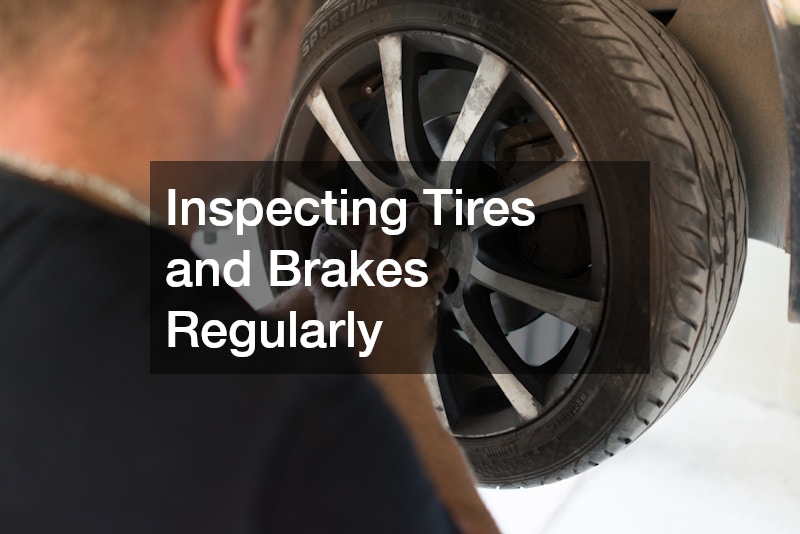
Tires and brakes are critical for safety. Regular inspections ensure responsive handling, efficient braking, and optimal traction.
Tire Maintenance
-
Check tire tread depth and replace worn tires.
-
Rotate tires every 6,000–8,000 miles to promote even wear.
-
Maintain correct tire pressure for fuel efficiency and safety.
Brake Maintenance
-
Listen for squealing, grinding, or vibrations when braking.
-
Inspect brake pads, rotors, and fluid levels regularly.
-
Replace components promptly to avoid complete brake failure.
By prioritizing tire and brake inspections, drivers reduce accident risk and prolong the life of essential components.
Monitoring Fluids and Engine Health
Fluids are the lifeblood of your vehicle. Neglecting oil, transmission fluid, and coolant can lead to severe engine damage.
Key Fluids to Monitor
-
Engine oil: check levels monthly; change per manufacturer guidelines.
-
Transmission fluid: inspect regularly, especially in older vehicles.
-
Brake and power steering fluids: maintain recommended levels to ensure performance.
-
Coolant: prevents overheating and protects engine components.
Proactive Engine Health Tips
-
Listen for unusual sounds or vibrations.
-
Monitor fuel efficiency for sudden drops, which may indicate issues.
-
Schedule engine diagnostics if warning lights persist.
Proper fluid and engine management prevent breakdowns and costly repairs.
Planning for Unexpected Repairs
Even with diligent maintenance, unexpected repairs can occur. Preparation reduces stress and repair costs.
Creating an Emergency Repair Fund
-
Set aside funds for sudden repairs such as alternator or starter replacements.
-
Include costs for towing and rental vehicles if needed.
Keeping Key Contacts Handy
-
Maintain contact info for trusted auto repair shops, diesel shops, and auto detailers.
-
Keep a list of nearby auto glass replacements and legal contacts for accidents.
Documenting Repairs
-
Record all services performed, including dates and costs.
-
Track warranties and insurance coverage to avoid disputes later.
Preparation ensures you’re ready to respond effectively to any unexpected issue.
Keeping your vehicle in peak condition requires a combination of regular maintenance, timely repairs, and proactive monitoring. By following these tips—covering auto repair, diesel care, window maintenance, detailing, wheel alignment, and accident preparedness—you can extend the life of your vehicle, improve safety, and maximize efficiency.
Partnering with professionals, from certified mechanics and diesel shops to skilled auto detailers and an auto accident attorney ensures your vehicle receives expert attention. Preventive maintenance and attention to small warning signs save money and prevent emergencies down the road.
Whether performing routine checks, addressing wear and tear, or responding to accidents, informed actions and proactive planning keep your vehicle dependable, safe, and enjoyable for years to come. Taking the time to care for your vehicle is an investment in both your safety and peace of mind, making every mile a smooth, confident drive.