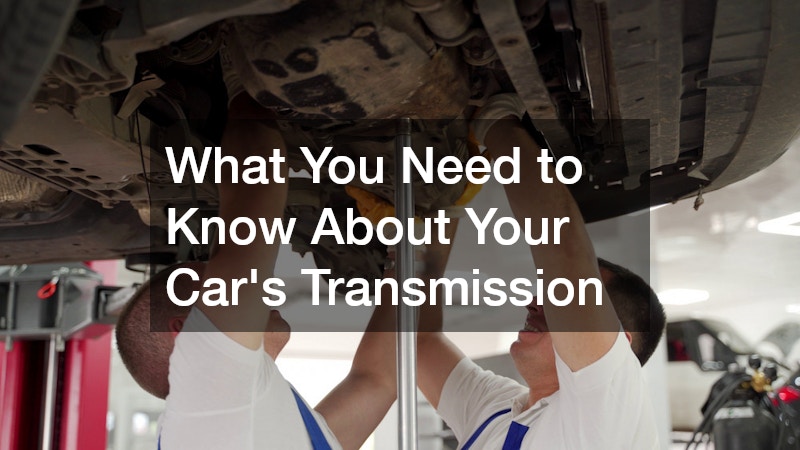

Your car’s transmission plays a critical role in how smoothly and efficiently your vehicle operates. While many drivers focus on engines, brakes, or tires, the transmission often goes unnoticed until something goes wrong. Understanding how it works, the signs of trouble, and when to seek professional help can save you from costly repairs and unexpected breakdowns. Whether you drive daily or only occasionally, having a basic knowledge of your transmission helps you make smarter maintenance decisions and extend the life of your vehicle.
What a Transmission Does
The transmission is responsible for transferring power from the engine to the wheels. It ensures your car can change speeds smoothly, whether you are accelerating, cruising on the highway, or climbing a hill.
By adjusting gear ratios, the transmission helps the engine operate efficiently without overworking itself.
There are several types of transmissions commonly found in vehicles today, including automatic, manual, continuously variable transmissions, and dual-clutch systems. Each type operates differently, but all serve the same core purpose of managing power and speed. When functioning properly, gear changes should feel smooth and responsive, without hesitation or unusual noise.
Common Signs of Transmission Problems
Transmission issues often develop gradually, which makes early detection important. Paying attention to small changes in how your car drives can help prevent larger problems down the road.
Some common warning signs include:
-
Delayed or rough gear shifting
-
Slipping gears or unexpected changes while driving
-
Grinding, whining, or clunking noises
-
Burning smells or leaking transmission fluid
-
Dashboard warning lights related to drivetrain issues
Ignoring these symptoms can lead to more serious damage. Transmission repairs are often more complex than other vehicle services, so addressing concerns early may reduce repair time and overall costs.
Why Transmission Fluid Matters
Transmission fluid is essential for keeping internal components lubricated and cool. It also helps maintain proper hydraulic pressure, which allows the transmission to shift gears correctly. Low or degraded fluid can cause overheating, increased friction, and eventual system failure.
Regular fluid checks and changes are an important part of vehicle maintenance. While some newer vehicles are designed with sealed systems, many still require periodic servicing. Dirty or low fluid may appear dark, smell burnt, or cause noticeable driving issues. A professional inspection can determine whether a fluid change or further service is necessary.
Automatic vs. Manual Transmission Care
Maintenance needs can vary depending on whether your vehicle has an automatic or manual transmission. Automatic transmissions rely heavily on fluid condition and internal sensors, making regular inspections especially important. Manual transmissions often require less frequent servicing but can still develop issues related to clutch wear or gear engagement.
Regardless of type, driving habits play a role in transmission health. Aggressive acceleration, towing heavy loads without proper equipment, and frequent stop-and-go driving can place additional stress on the system. Adopting smoother driving habits helps reduce wear and extend the lifespan of transmission components.
When to Seek Professional Help
Transmission problems should not be handled with guesswork. Because of the complexity involved, professional diagnostics are often necessary to identify the root cause of an issue. Specialized tools and experience allow technicians to pinpoint whether the problem lies with fluid levels, sensors, mechanical components, or software.
Looking for transmission repair shops and booking an appointment ensures that the issue is properly evaluated and repaired using the correct procedures. Professionals can also recommend preventative services based on your vehicle’s mileage, driving conditions, and manufacturer guidelines. Early intervention often prevents minor concerns from turning into full transmission replacements.
Preventative Maintenance Tips
Preventing transmission problems is often more affordable than repairing them. Simple habits and routine checks can make a noticeable difference over time.
Helpful maintenance practices include:
-
Scheduling regular inspections during routine service visits
-
Addressing leaks or warning lights promptly
-
Avoiding sudden gear changes while driving
-
Following recommended service intervals
-
Using the correct type of transmission fluid
Working with trusted transmission repair shops can also help you stay ahead of maintenance needs. Professionals can track service history and provide guidance tailored to your specific vehicle.
Staying Informed Protects Your Vehicle
Your transmission is one of the most important systems in your car, even if it operates quietly in the background. Understanding how it works, recognizing warning signs, and committing to regular maintenance can help you avoid major disruptions. When concerns arise, seeking help from a reliable transmission repair shops provides clarity and professional solutions. By staying informed and proactive, you can keep your vehicle running smoothly and confidently for years to come.
Your car’s transmission is essential to smooth, reliable performance, and even small issues can lead to bigger problems if ignored. By understanding how the transmission works, watching for early warning signs, and keeping up with regular maintenance, you can avoid costly repairs and unexpected breakdowns. Taking action early helps protect your vehicle and ensures safer, more dependable driving over time.