
When most drivers think about keeping their vehicle in good shape, they usually focus on the basics—oil changes, tire rotations, and brake checks. While these are all essential, there’s one system working behind the scenes that has a far greater impact on your vehicle’s overall health than many people realize. It quietly manages how power is delivered, how smoothly your car drives, and how efficiently it operates every time you get behind the wheel.
Understanding how this system influences your vehicle can completely change the way you approach maintenance. It doesn’t just affect how your car shifts gears; it plays a major role in fuel economy, engine strain, and even long-term repair costs. When you take the time to understand how everything is connected, it becomes clear that paying attention to this component isn’t optional — it’s essential for keeping your vehicle running reliably for years to come.
Understand How Power Moves From Engine to Wheels

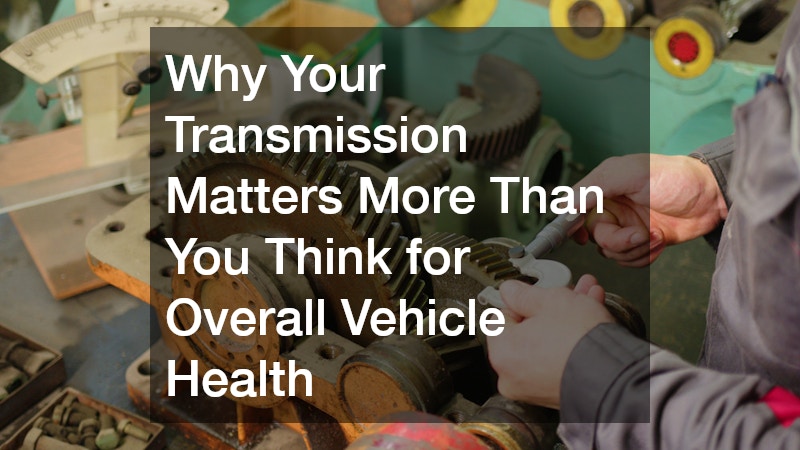
At the core of every moving vehicle is a carefully coordinated process that transforms engine power into motion. The transmission is responsible for managing this process, ensuring that the right amount of power reaches the wheels at the right time. Without it, your engine would produce energy, but your vehicle wouldn’t be able to use that energy effectively. This system adjusts gear ratios to match driving conditions, whether you’re accelerating, cruising, or climbing a hill.
The importance of a properly functioning transmission goes beyond just movement. It directly affects how efficiently your engine operates. When gear shifts are smooth and timely, the engine doesn’t have to work as hard, which can improve fuel economy and reduce wear on internal components. On the other hand, if this system isn’t functioning correctly, it can cause erratic performance, higher fuel consumption, and unnecessary strain on the engine. Over time, this can lead to a cascade of issues that impact the entire vehicle.
To better understand how power transfer affects your driving experience, consider the following factors:
- Gear ratios determine how much power is delivered to the wheels
- Smooth shifting reduces stress on the engine
- Proper calibration improves fuel efficiency
- Balanced power delivery enhances overall performance
Each of these elements plays a role in how your vehicle feels and performs on the road. When everything is working together properly, you get a smooth, responsive driving experience. When it’s not, the effects can be felt throughout the entire vehicle.
Recognize Early Warning Signs Before Issues Escalate
Many major vehicle issues start as small, subtle warning signs that are easy to overlook. Drivers often ignore these signals because the car is still technically drivable. However, these early indicators can point to a developing transmission problem that will only worsen over time. Paying attention to these signs can help you catch issues before they turn into costly repairs.
Some of the most common warning signs include delayed shifting, grinding or whining noises, slipping gears, and fluid leaks. You might also notice a burning smell or a sudden drop in performance. While these symptoms may not seem urgent at first, they often signal internal wear or damage that requires attention. Ignoring a transmission problem can lead to complete system failure, which is far more expensive and time-consuming to fix.
Here are a few key signs to watch for:
- Hesitation when shifting between gears
- Unusual noises during acceleration
- Fluid spots under your vehicle
- Dashboard warning lights related to performance
Recognizing these symptoms early allows you to address the issue before it spreads. Acting quickly not only saves money but also helps maintain the overall health and reliability of your vehicle.
Stay Consistent With Fluid Checks and Routine Maintenance
Routine maintenance is one of the most effective ways to extend the life of your vehicle. Among the most critical maintenance tasks is checking and replacing transmission fluid. This fluid plays a vital role in lubricating internal components, reducing heat, and ensuring smooth operation. Without proper fluid levels, friction increases, leading to faster wear and potential damage.
Regular maintenance doesn’t have to be complicated or time-consuming. Many professional auto services include fluid checks as part of their standard inspections, making it easy to stay on top of this important task. By scheduling routine visits with trusted auto services, you can ensure that your vehicle receives the care it needs to operate efficiently.
Consistency is key when it comes to maintenance. Skipping routine checks can allow small issues to go unnoticed until they become major problems. By staying proactive, you not only protect your vehicle’s performance but also avoid the stress and expense of unexpected repairs. Over time, these small efforts add up to significant long-term benefits.
Address Small Performance Changes Before They Spread
It’s easy to dismiss minor changes in your vehicle’s performance, especially if they don’t immediately interfere with your ability to drive. However, these small issues are often early warning signs of larger problems. What starts as a slight hesitation or unusual noise can quickly develop into a more serious concern if left unaddressed.
When these issues are ignored, they can lead to more extensive auto repair needs that affect multiple systems. For example, inefficient power transfer can increase engine strain, leading to overheating or reduced fuel efficiency. Over time, this added stress can cause components to wear out faster, resulting in additional auto repair costs.
Taking a proactive approach to maintenance can help you avoid these complications. By addressing small issues early, you prevent them from escalating into larger, more expensive problems. This not only saves money but also ensures that your vehicle remains reliable and safe to drive.
Pay Attention to How Shifting Affects Driving Comfort
Driving comfort is something many people take for granted — until it’s gone. Smooth, consistent shifting plays a major role in how enjoyable your driving experience is. When your vehicle transitions seamlessly between gears, it creates a sense of control and stability. However, when shifting becomes rough or unpredictable, it can make driving stressful and uncomfortable.
Changes in shifting behavior often indicate the need for transmission diagnostics and repairs. These services help identify underlying issues and restore proper function. Whether it’s worn components, low fluid levels, or electronic malfunctions, addressing these problems through transmission diagnostics and repairs can significantly improve your driving experience.
In addition to comfort, proper shifting also affects safety. Erratic gear changes can make it harder to control your vehicle, especially in challenging driving conditions. By paying attention to how your car shifts and addressing issues promptly, you can maintain both comfort and control on the road.
Understand How Related Systems Are Indirectly Impacted
Your vehicle is made up of interconnected systems that rely on each other to function properly. When one system isn’t performing as it should, it can place additional strain on others. This is especially true when it comes to how power is managed and distributed throughout the vehicle.
For example, issues with power delivery can increase the workload on your braking system. When components aren’t working efficiently, your vehicle may require more effort to slow down or stop. Over time, this added strain can lead to increased wear and the need for brake repair. Addressing these concerns early can help prevent more serious brake repair issues down the line.
Understanding how these systems interact allows you to take a more comprehensive approach to maintenance. Instead of focusing on individual components, you can consider how everything works together. This holistic perspective helps you identify potential problems before they escalate and ensures your vehicle remains in optimal condition.
Consider the Impact on Ride Quality and Stability
Ride quality and stability are essential for a safe and comfortable driving experience. When your vehicle delivers power smoothly, it maintains balance and control, even at higher speeds. However, disruptions in this process can lead to vibrations, uneven acceleration, and reduced handling performance.
In some cases, these issues may contribute to the need for suspension repair. When power isn’t distributed evenly, it can affect how your vehicle interacts with the road. This can lead to uneven tire wear, reduced traction, and a less stable ride. Addressing suspension repair needs alongside drivetrain concerns can significantly improve overall performance.
A smooth and stable ride isn’t just about comfort — it’s also about safety. By ensuring that all systems are working together properly, you can maintain better control of your vehicle and reduce the risk of accidents. Taking the time to address these issues helps create a more reliable and enjoyable driving experience.
Evaluate How Engine Efficiency Ties Into Other Components
Engine efficiency is closely linked to how effectively power is transferred throughout your vehicle. When this process is functioning properly, the engine operates at optimal levels, using less fuel and producing fewer emissions. However, when inefficiencies arise, the engine must work harder to achieve the same results.
This increased workload can have a ripple effect on other components, including the exhaust. These systems are responsible for managing emissions and ensuring that harmful gases are properly filtered. Over time, excessive engine strain can wear down exhausts and reduce their overall efficiency.
Maintaining efficiency isn’t just about saving money on fuel — it’s also about protecting your vehicle’s overall health. By ensuring that power is transferred smoothly and effectively, you can reduce wear on multiple systems and extend the life of your vehicle.
Choose Skilled Professionals for Accurate Inspections
When it comes to maintaining your vehicle, the quality of service you receive matters just as much as the work itself. Skilled technicians have the experience and tools needed to accurately diagnose issues and provide effective solutions. Choosing the right professionals can make a significant difference in your vehicle’s performance and longevity.
A reputable auto repair service will take the time to thoroughly inspect your vehicle and explain any findings. This level of transparency helps you make informed decisions about maintenance and repairs. By relying on a trusted auto repair service, you can ensure that your vehicle receives the care it needs.
Here are a few tips for choosing the right professionals:
- Look for certified and experienced technicians
- Read reviews and ask for recommendations
- Choose shops that offer clear communication
- Ensure they use quality parts and equipment
Working with skilled professionals provides peace of mind and helps you maintain your vehicle with confidence.
Plan to Avoid Costly Breakdowns and Downtime

Preventive maintenance is one of the most effective ways to avoid unexpected breakdowns. By staying ahead of potential issues, you can address problems before they become serious. This proactive approach not only saves money but also reduces the inconvenience of being without your vehicle.
Taking care of your vehicle on a regular basis ensures consistent performance and reliability. Routine inspections and maintenance help identify potential concerns early, allowing you to plan for repairs rather than dealing with emergencies. Investing in your auto now can prevent costly repairs in the future.
Planning also gives you more control over your budget. Instead of facing sudden, expensive repairs, you can spread out maintenance costs over time. This makes it easier to keep your vehicle in good condition without added stress. By prioritizing preventative care, you can enjoy a smoother and more dependable driving experience.
Your vehicle’s performance and longevity depend on more than just routine maintenance — it requires an understanding of how its most important systems work together. By paying attention to how power is managed and how it affects other components, you can take a more proactive approach to care.
Ultimately, taking a proactive mindset toward vehicle care can make a significant difference in how your car performs over time. Rather than waiting for noticeable problems to arise, staying attentive to subtle changes and keeping up with routine inspections allows you to catch issues early and maintain optimal efficiency. This approach not only helps extend the lifespan of your vehicle but also provides greater peace of mind every time you drive. When you prioritize long-term health and consistency, you’re investing in a smoother, safer, and more dependable driving experience.
With consistent maintenance, early problem detection, and the support of skilled professionals, you can keep your vehicle running efficiently for years to come. A well-maintained system not only improves performance but also enhances safety, reliability, and overall driving satisfaction.